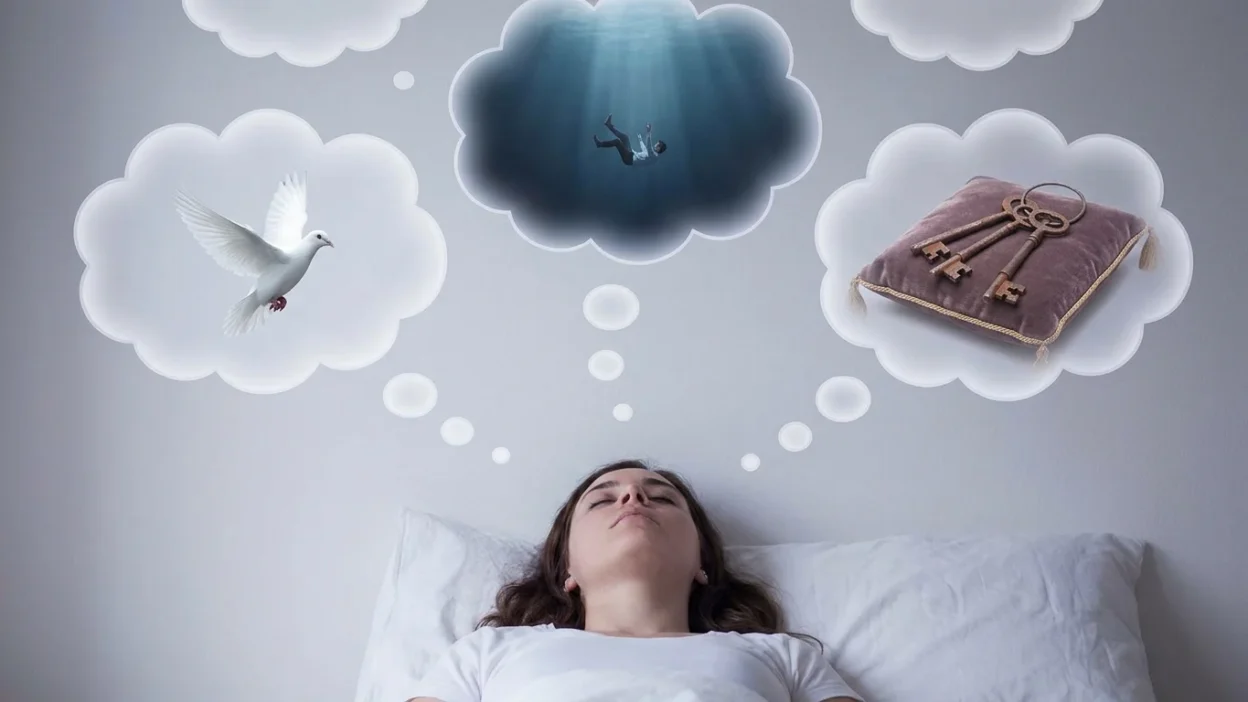
Dreams have fascinated people for centuries. While some dreams seem random, contain symbolic that reflect your emotions, thoughts, fears, hopes, and life experiences.
Understanding symbolic meanings in dreams can help you gain valuable insight into your subconscious mind and personal growth.
In this guide, you’ll learn what dream symbols mean, how to interpret them, and the most common dream symbols and their possible meanings.
Quick Answer: What Do Symbolic Meanings in Dreams Represent?
Dream symbols are images, people, animals, places, or events that represent something deeper than their literal appearance. Rather than predicting the future, they often reflect your emotions, subconscious thoughts, unresolved issues, spiritual journey, or personal transformation.
What Are Symbolic Meanings in Dreams?
Dream symbolism is the idea that objects or events in dreams represent hidden messages instead of literal events.
For example:
- A snake may symbolize transformation or hidden fears.
- Water often represents emotions.
- Flying can symbolize freedom or ambition.
- Falling may reflect insecurity or loss of control.
The exact meaning depends on your personal experiences and current life situation.
Why Do Dreams Use Symbols?
Your subconscious communicates differently from your conscious mind. Instead of using direct language, it often expresses feelings through symbols.
Dream symbols may help you:
- Process emotions
- Solve problems
- Heal from past experiences
- Recognize hidden fears
- Discover personal strengths
- Encourage spiritual growth
Common Symbolic Meanings in Dreams
| Dream SymbolCommon Meaning | |
|---|---|
| Snake | Transformation, healing, fear, wisdom |
| Water | Emotions, subconscious, cleansing |
| Fire | Passion, anger, change, purification |
| House | Your mind, personality, inner self |
| Car | Life direction, personal control |
| Flying | Freedom, success, spiritual growth |
| Falling | Anxiety, insecurity, uncertainty |
| Death | Endings, transformation, new beginnings |
| Baby | New opportunities, innocence, growth |
| Money | Self-worth, confidence, opportunities |
| Keys | Solutions, knowledge, new possibilities |
| Bridge | Transition, important life changes |
| Door | New opportunities or hidden potential |
| Mirror | Self-reflection, identity |
| Tree | Personal growth, stability, wisdom |
Animal Symbolism in Dreams
Animals often represent instincts, personality traits, or emotions.
Snake
May symbolize:
- Personal transformation
- Healing
- Hidden enemies
- Spiritual awakening
- Fear of change
Lion
Often represents:
- Courage
- Leadership
- Personal power
- Confidence
Dog
Usually symbolizes:
- Loyalty
- Friendship
- Protection
- Trust
Cat
May represent:
- Independence
- Mystery
- Intuition
- Feminine energy
Bird
Birds commonly symbolize:
- Freedom
- Hope
- Spiritual messages
- Higher perspective
Fish
Often represents:
- Prosperity
- Spiritual insight
- Abundance
- Hidden emotions
Nature Symbolism in Dreams
Nature symbols often reveal emotional or spiritual states.
Water
Different types of water have different meanings:
- Calm water = emotional peace
- Stormy water = emotional conflict
- Dirty water = confusion
- Clear water = clarity and healing
Mountains
Can symbolize:
- Big goals
- Challenges
- Spiritual growth
- Achievement
Forest
May represent:
- Mystery
- Self-discovery
- Hidden emotions
- Personal journey
Rain
Often symbolizes:
- Emotional release
- Cleansing
- New beginnings
People in Dreams
The people appearing in dreams often symbolize aspects of yourself or your relationships.
Family Members
May reflect:
- Emotional bonds
- Childhood experiences
- Personal responsibilities
Strangers
Can represent:
- Unknown parts of yourself
- New opportunities
- Future experiences
Children
Usually symbolize:
- Innocence
- Creativity
- New beginnings
Elderly Person
Often represents:
- Wisdom
- Guidance
- Life lessons
Spiritual Symbolic Meanings in Dreams
Many cultures believe dreams carry spiritual messages.
Common spiritual symbols include:
- Light = Divine guidance
- Angels = Protection
- White color = Purity
- Gold = Spiritual wealth
- Temple = Faith
- Cross = Sacrifice and hope
- Stars = Destiny
- Moon = Intuition
- Sun = Energy and truth
These interpretations vary depending on your beliefs and cultural background.
Psychological Meaning of Dream Symbols
From a psychological perspective, dream symbols reflect your subconscious mind.
Dreams may help you:
- Process stress
- Understand emotions
- Face hidden fears
- Improve self-awareness
- Resolve inner conflict
Rather than predicting events, dreams often reveal what is happening internally.
Positive vs Negative Dream Symbols
| Positive Symbols | Negative Symbols |
|---|---|
| Flying | Falling |
| Clear Water | Dirty Water |
| Blooming Flowers | Dead Plants |
| Sunshine | Darkness |
| Rainbow | Storm |
| Healthy Tree | Broken Tree |
| Open Door | Locked Door |
Even negative symbols often represent opportunities for healing, growth, or change.
Most Common Dream Themes and Their Symbolism
Falling
May indicate:
- Loss of control
- Fear of failure
- Uncertainty
Being Chased
Often symbolizes:
- Avoiding problems
- Fear
- Anxiety
- Unresolved emotions
Flying
Can represent:
- Freedom
- Achievement
- Confidence
- Spiritual elevation
Losing Teeth
Often connected to:
- Anxiety
- Self-confidence
- Life transitions
Being Late
May symbolize:
- Missed opportunities
- Pressure
- Fear of failure
Biblical Symbolic Meanings in Dreams
In biblical traditions, dreams are sometimes viewed as sources of guidance or reflection.
Common biblical symbols include:
- Bread = Spiritual nourishment
- Water = Cleansing and life
- Lamb = Innocence
- Olive Tree = Peace
- Vine = Faithfulness
- Light = God’s guidance
- Fish = Blessings and provision
Interpretations depend on personal faith and context.
Cultural Differences in Dream Symbols
Dream meanings can vary across cultures.
For example:
- Snakes may symbolize wisdom in one culture and danger in another.
- Owls represent wisdom in many Western traditions but may symbolize mystery or warnings elsewhere.
- Dragons symbolize power and good fortune in many Eastern cultures, while some Western stories portray them as challenges to overcome.
Understanding your cultural background can provide additional insight.
How to Interpret Your Own Dream Symbols
Follow these simple steps:
- Write your dream immediately after waking.
- List the main symbols.
- Notice your emotions during the dream.
- Connect the symbols to current life events.
- Look for recurring patterns.
- Consider both personal and cultural meanings.
- Focus on the overall message instead of a single symbol.
Signs Your Dream Contains Important Symbolism
Your dream may deserve extra attention if it:
- Repeats often
- Feels unusually vivid
- Causes strong emotions
- Includes unusual animals or objects
- Contains spiritual imagery
- Leaves a lasting impression
Recurring dreams often point to unresolved emotions or important life lessons.
What Symbolic Dreams May Be Telling You
Dream symbols may encourage you to:
- Face your fears
- Accept change
- Trust your intuition
- Heal emotional wounds
- Strengthen relationships
- Pursue personal growth
- Find balance in life
Instead of viewing dreams as literal predictions, think of them as meaningful reflections of your inner world.
Tips for Remembering Dreams
- Keep a dream journal beside your bed.
- Write down details as soon as you wake up.
- Record emotions as well as events.
- Look for recurring symbols over time.
- Reflect on how dreams relate to your daily life.
Frequently Asked Questions
What are symbolic meanings in dreams?
They are hidden messages represented through people, objects, places, or events that reflect your subconscious thoughts, emotions, and experiences.
Are dream symbols universal?
Some symbols are widely recognized, but personal experiences, beliefs, and culture strongly influence dream meanings.
Can dreams predict the future?
Most psychologists view dreams as reflections of the subconscious rather than reliable predictions of future events.
Why do I keep dreaming about the same symbol?
Recurring symbols often indicate unresolved emotions, ongoing challenges, or important life lessons your subconscious wants you to address.
Are nightmares symbolic too?
Yes. Nightmares frequently symbolize stress, fear, anxiety, trauma, or emotional conflicts that deserve attention.
How can I interpret my dreams more accurately?
Consider the dream’s context, your emotions, current life circumstances, and personal associations with each symbol instead of relying on a single fixed interpretation.
Final Thoughts
Understanding symbolic meanings in dreams can help you better understand your emotions, relationships, and personal journey.
While no dream symbol has a single universal meaning, combining your personal experiences with common symbolism can reveal valuable insights.
The most meaningful interpretation is often the one that resonates with your own life.
By keeping a dream journal, reflecting on recurring themes, and considering emotional context, you can uncover messages that support self-awareness, healing, and personal growth.

Oliver James is a dedicated dream meanings writer and researcher at CodzDream. He explores dream symbols, interpretations, and subconscious messages, helping readers understand their dreams through clear, insightful, and engaging content.