Dreams have fascinated people for centuries, especially in Islam, where certain dreams are believed to carry meaningful messages.
Many people search for Muslim dream interpretation to understand whether their dreams are spiritual signs, subconscious reflections, or warnings about future events.
Not every dream has a divine meaning, but some dreams may offer guidance, comfort, or valuable lessons.
Understanding Islamic dream symbolism can help you reflect on your emotions, faith, and personal journey.
This guide explains the meaning of Muslim dreams, common dream scenarios, spiritual symbolism, psychological insights, and practical ways to interpret dreams according to Islamic perspectives.
Muslim Dream Interpretation – Quick Answer
Muslim dream interpretation refers to understanding dreams through Islamic teachings and symbolism. In Islam, dreams generally fall into three categories:
- Good dreams that may be blessings or glad tidings from Allah.
- Dreams caused by personal thoughts, emotions, and daily experiences.
- Disturbing dreams intended to create fear or anxiety.
The true meaning depends on your life circumstances, emotions during the dream, and the symbols you witnessed.
What Does Muslim Dream Interpretation Mean?
Dream interpretation has long been respected within Islamic tradition. Dreams are viewed as one of many ways a person may receive reminders, encouragement, or opportunities for self-reflection.
A meaningful dream often encourages a person to:
- Strengthen faith.
- Improve character.
- Seek forgiveness.
- Remain patient.
- Prepare for positive changes.
- Reflect on personal decisions.
However, Islam also teaches that not every dream carries spiritual significance. Many dreams simply reflect everyday experiences and subconscious thoughts.
Symbolism of Muslim Dream Interpretation
Dream symbolism varies according to the dreamer’s situation. The same symbol may have different meanings for different people.
Common Islamic dream symbolism includes:
- Light representing guidance and wisdom.
- Water symbolizing purification and mercy.
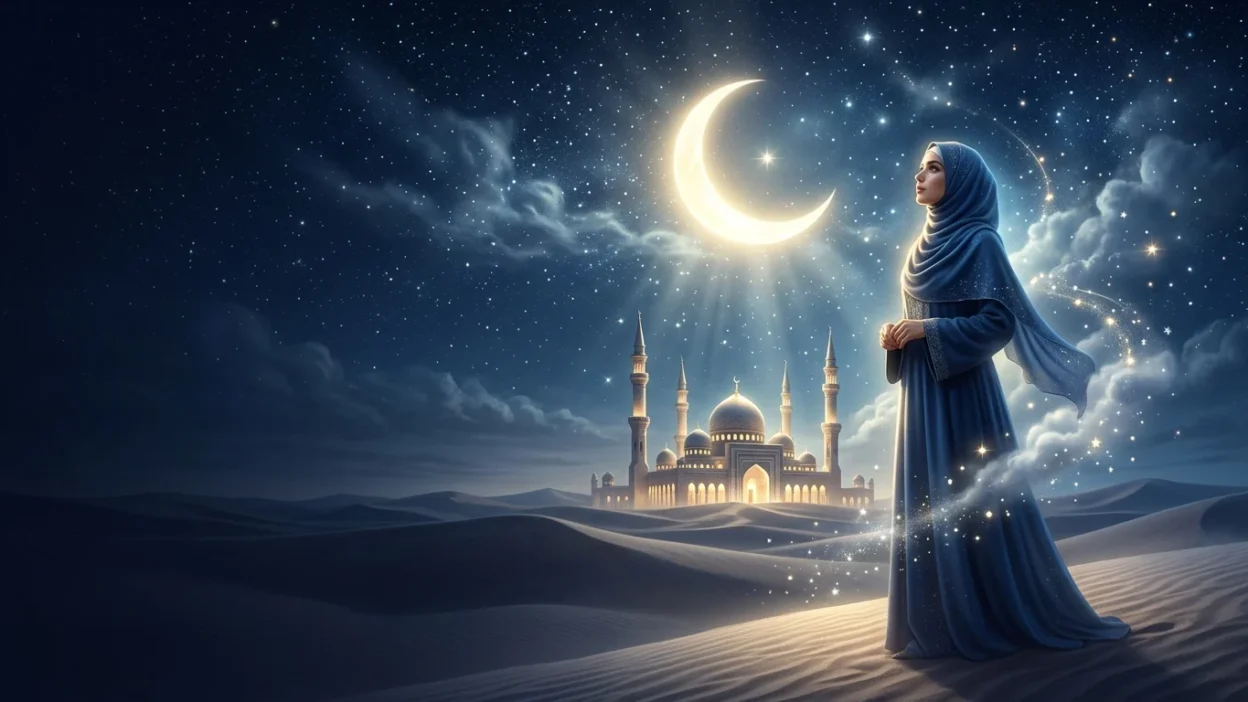
- Mosques representing faith and inner peace.
- Prayer indicating spiritual growth.
- Mountains symbolizing strength and perseverance.
- Gardens representing blessings and happiness.
- Rain symbolizing mercy and answered prayers.
- Darkness reflecting confusion or uncertainty.
The emotional feeling within the dream is often just as important as the symbols themselves.
Spiritual Meaning of Muslim Dream Interpretation
The spiritual meaning of dreams in Islam often centers around personal growth rather than predicting the future.
Spiritually, these dreams may suggest:
- Strengthening your relationship with Allah.
- Returning to regular prayer.
- Increasing gratitude.
- Avoiding harmful behavior.
- Seeking forgiveness.
- Trusting divine wisdom.
- Exercising patience during difficult times.
Many spiritually meaningful dreams inspire hope rather than fear.
Psychological Interpretation of Muslim Dreams
From a psychological perspective, dreams often reflect the subconscious mind.
Your dream may represent:
- Hidden worries.
- Personal goals.
- Emotional healing.
- Internal conflicts.
- Unresolved relationships.
- Stress from work or family.
- Desire for spiritual balance.
Rather than predicting events, many dreams simply help your mind process emotions and experiences.
Common Muslim Dream Scenarios
Seeing a Single Muslim Person in a Dream
Dreaming of one Muslim person often symbolizes guidance, friendship, honesty, or an important lesson entering your life.
It may also represent someone who inspires your spiritual journey.
Seeing Many Muslims in a Dream
A large gathering of Muslims usually symbolizes unity, community support, blessings, and collective strength.
It may remind you of the importance of belonging and helping others.
Seeing a Muslim Baby in a Dream
A Muslim baby often symbolizes:
- New beginnings
- Spiritual purity
- Hope
- Fresh opportunities
- Personal growth
It is generally considered a positive symbol.
Seeing a Dead Muslim in a Dream
Dreams involving deceased Muslims often encourage reflection, prayer, gratitude, or remembering the temporary nature of worldly life.
They may also represent unfinished emotions or cherished memories.
Being Attacked in a Muslim Dream
Being attacked does not necessarily predict danger.
Instead, it may symbolize:
- Spiritual struggles.
- Internal conflict.
- Fear.
- Pressure from daily responsibilities.
- Emotional challenges.
Such dreams often encourage seeking peace and relying on faith.
Being Chased in a Muslim Dream
Being chased usually reflects avoiding something important.
This may include:
- Responsibilities.
- Personal fears.
- Guilt.
- Important life decisions.
- Emotional healing.
The dream encourages facing challenges rather than avoiding them.
Holding an Islamic Object in a Dream
Holding a Quran, prayer beads, or another religious symbol often represents:
- Wisdom.
- Guidance.
- Protection.
- Spiritual growth.
- Inner peace.
It can indicate a desire to strengthen one’s relationship with Allah.
Friendly Muslim in a Dream
Meeting a kind and friendly Muslim usually symbolizes:
- Good advice.
- Blessings.
- Trustworthy friendships.
- Inner peace.
- Encouragement.
- Positive life changes.
These dreams often leave the dreamer feeling comforted.
Positive vs Negative Muslim Dream Meanings
| Positive Meanings | Negative Meanings |
|---|---|
| Spiritual growth | Emotional confusion |
| Divine guidance | Anxiety |
| Inner peace | Fear |
| New opportunities | Spiritual neglect |
| Wisdom | Personal struggles |
| Strong faith | Stress |
| Blessings | Uncertainty |
| Community support | Inner conflict |
Most dreams contain both positive and challenging messages designed to encourage personal improvement.
Islamic Dream Interpretation and Cultural Perspectives
Islam places importance on dreams while also encouraging wisdom and caution.
Many cultures influenced by Islam believe dreams can:
- Inspire self-improvement.
- Encourage repentance.
- Increase hope.
- Offer emotional healing.
- Strengthen patience.
Different cultures may interpret certain symbols differently, but faith, morality, and personal reflection remain central themes.
Biblical Interpretation of Similar Dreams
Although Muslim dream interpretation comes from Islamic beliefs, there are interesting similarities with biblical dream symbolism.
In biblical traditions:
- Dreams sometimes represent divine guidance.
- Light symbolizes God’s presence.
- Water represents cleansing.
- Mountains symbolize faith.
- Gardens represent blessings.
- Angels often deliver important messages.
Both traditions emphasize spiritual growth rather than fear.
What Is Your Dream Trying to Tell You?
A Muslim dream may encourage you to reflect on important aspects of your life.
Possible messages include:
- Strengthen your faith.
- Practice patience.
- Forgive others.
- Let go of fear.
- Seek knowledge.
- Improve daily habits.
- Spend more time in prayer.
- Trust Allah’s plan.
- Focus on kindness.
- Maintain hope during difficult times.
The true message often becomes clearer when connected to your current life situation.
Common Symbols in Muslim Dreams
Many symbols frequently appear in Islamic dream interpretation.
These include:
- Mosques
- Prayer rugs
- Quran
- Water
- Rain
- White clothing
- Crescent moon
- Gardens
- Dates
- Birds
- Stars
- Light
Each symbol gains meaning from the dream’s overall context.
How to Interpret Your Muslim Dream Correctly
Dream interpretation requires thoughtful reflection.
Helpful tips include:
- Write the dream immediately after waking.
- Remember your emotions.
- Identify important symbols.
- Consider your current life circumstances.
- Look for recurring dreams.
- Reflect on spiritual lessons.
- Avoid making major life decisions based solely on dreams.
- Focus on personal growth instead of predictions.
Keeping a dream journal often helps identify meaningful patterns.
Signs That Your Dream May Be Spiritually Significant
Some dreams feel different from ordinary dreams.
Possible signs include:
- Exceptional clarity.
- Strong emotional impact.
- Easy recall after waking.
- Positive feelings of peace.
- Meaningful spiritual symbols.
- Repeated themes.
Even then, careful reflection remains important.
Can Muslim Dreams Predict the Future?
Many people wonder whether dreams predict future events.
Islam generally teaches that while some dreams may contain meaningful guidance, most dreams should not be viewed as guaranteed predictions.
Instead, dreams are better understood as opportunities for:
- Reflection.
- Spiritual growth.
- Emotional awareness.
- Personal improvement.
This balanced approach helps avoid unnecessary fear or unrealistic expectations.
Why People Search for Muslim Dream Interpretation
People often seek dream meanings because they hope to understand confusing experiences.
Common reasons include:
- Spiritual curiosity.
- Emotional healing.
- Life transitions.
- Relationship concerns.
- Career decisions.
- Family matters.
- Personal growth.
- Religious reflection.
Dream interpretation provides insight rather than certainty.
Final Thoughts
Muslim dream interpretation combines spiritual reflection, symbolism, and personal understanding. While some dreams may inspire hope, guidance, or self-improvement, others simply reflect everyday thoughts and emotions.
The most meaningful interpretation comes from considering your feelings, life circumstances, and faith together. Rather than fearing dreams, use them as opportunities to grow spiritually, strengthen your character, and better understand your subconscious message.
Frequently Asked Questions
Is every dream meaningful in Islam?
No. Islamic teachings generally recognize that some dreams may carry spiritual significance, while many simply reflect daily experiences, emotions, or thoughts.
What is the spiritual meaning of Muslim dreams?
Spiritually, Muslim dreams often encourage stronger faith, patience, gratitude, self-reflection, and a closer relationship with Allah.
Can Muslim dreams predict the future?
Most dreams should not be treated as predictions. They are better understood as opportunities for reflection, guidance, and personal growth.
Why do I keep having similar Muslim dreams?
Recurring dreams may indicate unresolved emotions, important life lessons, repeated subconscious messages, or areas where personal growth is needed.
Are peaceful Muslim dreams considered good signs?
Yes. Dreams that leave you feeling peaceful, hopeful, or spiritually uplifted are generally viewed more positively than frightening dreams.
How can I better understand my dream interpretation?
Record your dreams, note important symbols and emotions, reflect on your current life, and focus on the spiritual or personal lessons the dream may be teaching.